Domain tee-oder-kaffee.de kaufen?
Wir ziehen mit dem Projekt
tee-oder-kaffee.de um.
Sind Sie am Kauf der Domain
tee-oder-kaffee.de interessiert?
domain@kv-gmbh.de · 0541-91531010
Domain tee-oder-kaffee.de kaufen?
Wann benutzt man im Englischen "use to" oder "used to"?
Im Englischen wird "used to" verwendet, um über vergangene Gewohnheiten oder Zustände zu sprechen, die nicht mehr existieren. Zum Beispiel: "I used to play soccer when I was younger." "Use to" ist grammatikalisch nicht korrekt und wird nicht verwendet. **
Was ist der Unterschied zwischen "used to" und "use to"?
"Used to" wird verwendet, um über eine Handlung oder Gewohnheit in der Vergangenheit zu sprechen, die nicht mehr fortgesetzt wird. Zum Beispiel: "Ich habe früher viel Tennis gespielt, aber jetzt nicht mehr." "Use to" ist keine korrekte Phrase im Englischen und wird normalerweise als Tippfehler angesehen. **

Ähnliche Suchbegriffe für Simple to use
Top-Angebote
Produkte zum Begriff Simple to use:
-
SES Creative I Learn to Use ScissorsDer beste Weg, etwas zu lernen, ist durch Übung. Dieses Set bietet Ihnen die perfekte Gelegenheit, es sicher und mit Spaß zu lernen. Dieses wunderbare Set enthält sechzehn Bilder mit vorgezeichneten Linien zum Ausschneiden und eine supersichere Schere. Üben Sie das Ausschneiden entlang der Linien und schon sind Sie perfekt darin!15,11 €*Versand: 2,99 €Sichere Weiterleitung zum Anbieter
-
Learn to use Microsoft Windows 10, EnglishEverything you need to know about Windows 10 Step 1 - Choose your topic Step 2 - Study the basics Step 3 - Watch how the experts do it Step 4 - Do it! This comprehensive training program couldn't be easier to use. On-screen video demonstrations take you step-by-step through over 100 different topics, each with clear and concise instructions. Simply pick the topic you want to study and sit back and watch as an expert shows you exactly how it's done. Then move on to actually ‘do it’ in your own copy of Windows® 10. Whether you're a complete beginner, or need to refresh your computer skills, this program will have you up and running with Windows®10 in no time at all. Topics include: DISCOVERING WINDOWS 10 Is your PC ready for Windows 10? Program and device compatibility First look at the Start menu / Windows 10 sessions The Microsoft Cortana Voice Assistant Searching for files and information OneNote / Windows 10 Continuum Sync your settings / Geolocation Dock applications / Virtual desktops Useful keyboard shortcuts CUSTOMISING YOUR COMPUTER Managing groups in the Start menu Adding/Deleting thumbnails from the Start menu A slide show on the Lock Screen How to customise your computer Choosing a desktop background / display theme Associating sounds with events Customising the taskbar Adding / Selecting a printer / Print to a PDF file Associate applications and files Adding a user account / Switching between users Notifications and the Action Center STORAGE AND FILE MANAGEMENT Install and uninstall applications Creating a restore point / System Restore Refresh or reset the computer File History / Copying files with File Explorer Homegroup and Network Defragmenting a hard disk / Disk Cleanup Backing up your data / The Recycle Bin Windows Update / Sync your settings and content INTERNET Connecting to the Internet First steps in Microsoft Edge Searching on the Web / Downloading a file Customising Microsoft Edge Using Cortana in Microsoft Edge The Mail app / The Calendar app / Skype OneDrive, the Microsoft cloud MULTIMEDIA The Photos app Connecting to a digital camera Playing and copying music from CDs Copying music to mobile devices Playing DVD movies SYSTEM AND SAFETY Accessing admin tools /Task Manager User Account Control Windows Defender / Windows SmartScreen The Windows 10 Firewall14,95 €*Versand: 0,00 €Sichere Weiterleitung zum Anbieter



-
Wie schreibt man "not to see" im Simple Past? Englischhilfe.
"Not to see" im Simple Past wird zu "did not see". **
-
Hat Kaffee oder Tee mehr Koffein?
Die Menge an Koffein in Kaffee und Tee variiert je nach Zubereitung und Art der Bohne bzw. des Blattes. Im Allgemeinen enthält Kaffee jedoch mehr Koffein als Tee. Eine Tasse Kaffee kann zwischen 80-120 mg Koffein enthalten, während eine Tasse Tee in der Regel nur etwa 15-70 mg Koffein enthält. Es gibt jedoch auch koffeinreichere Teesorten wie Matcha, die mehr Koffein enthalten können als manche Kaffeesorten. Letztendlich hängt es also von der spezifischen Sorte und Zubereitung ab, um zu bestimmen, ob Kaffee oder Tee mehr Koffein enthält. **
-
Was bedeutet "un kilomètre à pied ça use ça use"?
Der Satz "un kilomètre à pied ça use ça use" ist ein französischer Spruch, der bedeutet, dass das Gehen zu Fuß auf Dauer anstrengend ist. Es ist eine humorvolle Art zu sagen, dass das Laufen zu Fuß Energie und Ausdauer erfordert. **
-
Hat Kaffee oder schwarzer Tee mehr Koffein?
Hat Kaffee oder schwarzer Tee mehr Koffein? Diese Frage hängt von verschiedenen Faktoren ab, wie der Art des Kaffees oder Tees und der Zubereitungsmethode. Im Allgemeinen enthält Kaffee mehr Koffein als schwarzer Tee. Eine Tasse Kaffee kann zwischen 80-120 mg Koffein enthalten, während eine Tasse schwarzer Tee etwa 40-70 mg Koffein enthält. Es ist wichtig zu beachten, dass diese Werte variieren können und auch von der individuellen Empfindlichkeit gegenüber Koffein abhängen. **
Was hat mehr Koffein Kaffee oder Tee?
Was hat mehr Koffein Kaffee oder Tee? Die Menge an Koffein in Kaffee ist in der Regel höher als in Tee. Ein durchschnittlicher Kaffee enthält etwa 95 mg Koffein, während eine Tasse Tee nur etwa 30-50 mg Koffein enthält. Allerdings gibt es auch koffeinreichere Teesorten wie Schwarztee, der bis zu 70 mg Koffein pro Tasse enthalten kann. Letztendlich hängt es also von der Art des Kaffees oder Tees ab, um festzustellen, welches mehr Koffein enthält. **
Wie kann man eine perfekte Tasse Kaffee aufbrühen?
Um eine perfekte Tasse Kaffee zuzubereiten, sollte man frisch gemahlene Kaffeebohnen verwenden und das Verhältnis von Kaffee zu Wasser beachten. Der Kaffee sollte mit heißem, aber nicht kochendem Wasser aufgebrüht werden und je nach Vorliebe kann die Brühzeit angepasst werden. Zum Schluss den Kaffee genießen und eventuell mit Milch oder Zucker verfeinern. **
Top-Angebote
Produkte zum Begriff Simple to use:
-
SES Creative I Learn to Use ScissorsDer beste Weg, etwas zu lernen, ist durch Übung. Dieses Set bietet Ihnen die perfekte Gelegenheit, es sicher und mit Spaß zu lernen. Dieses wunderbare Set enthält sechzehn Bilder mit vorgezeichneten Linien zum Ausschneiden und eine supersichere Schere. Üben Sie das Ausschneiden entlang der Linien und schon sind Sie perfekt darin!15,11 €*Versand: 2,99 €Sichere Weiterleitung zum Anbieter
-
Wann benutzt man im Englischen "use to" oder "used to"?
Im Englischen wird "used to" verwendet, um über vergangene Gewohnheiten oder Zustände zu sprechen, die nicht mehr existieren. Zum Beispiel: "I used to play soccer when I was younger." "Use to" ist grammatikalisch nicht korrekt und wird nicht verwendet. **
-
Was ist der Unterschied zwischen "used to" und "use to"?
"Used to" wird verwendet, um über eine Handlung oder Gewohnheit in der Vergangenheit zu sprechen, die nicht mehr fortgesetzt wird. Zum Beispiel: "Ich habe früher viel Tennis gespielt, aber jetzt nicht mehr." "Use to" ist keine korrekte Phrase im Englischen und wird normalerweise als Tippfehler angesehen. **
-
Wie schreibt man "not to see" im Simple Past? Englischhilfe.
"Not to see" im Simple Past wird zu "did not see". **
-
Hat Kaffee oder Tee mehr Koffein?
Die Menge an Koffein in Kaffee und Tee variiert je nach Zubereitung und Art der Bohne bzw. des Blattes. Im Allgemeinen enthält Kaffee jedoch mehr Koffein als Tee. Eine Tasse Kaffee kann zwischen 80-120 mg Koffein enthalten, während eine Tasse Tee in der Regel nur etwa 15-70 mg Koffein enthält. Es gibt jedoch auch koffeinreichere Teesorten wie Matcha, die mehr Koffein enthalten können als manche Kaffeesorten. Letztendlich hängt es also von der spezifischen Sorte und Zubereitung ab, um zu bestimmen, ob Kaffee oder Tee mehr Koffein enthält. **
Ähnliche Suchbegriffe für Simple to use
-
Learn to use Microsoft Windows 10, EnglishEverything you need to know about Windows 10 Step 1 - Choose your topic Step 2 - Study the basics Step 3 - Watch how the experts do it Step 4 - Do it! This comprehensive training program couldn't be easier to use. On-screen video demonstrations take you step-by-step through over 100 different topics, each with clear and concise instructions. Simply pick the topic you want to study and sit back and watch as an expert shows you exactly how it's done. Then move on to actually ‘do it’ in your own copy of Windows® 10. Whether you're a complete beginner, or need to refresh your computer skills, this program will have you up and running with Windows®10 in no time at all. Topics include: DISCOVERING WINDOWS 10 Is your PC ready for Windows 10? Program and device compatibility First look at the Start menu / Windows 10 sessions The Microsoft Cortana Voice Assistant Searching for files and information OneNote / Windows 10 Continuum Sync your settings / Geolocation Dock applications / Virtual desktops Useful keyboard shortcuts CUSTOMISING YOUR COMPUTER Managing groups in the Start menu Adding/Deleting thumbnails from the Start menu A slide show on the Lock Screen How to customise your computer Choosing a desktop background / display theme Associating sounds with events Customising the taskbar Adding / Selecting a printer / Print to a PDF file Associate applications and files Adding a user account / Switching between users Notifications and the Action Center STORAGE AND FILE MANAGEMENT Install and uninstall applications Creating a restore point / System Restore Refresh or reset the computer File History / Copying files with File Explorer Homegroup and Network Defragmenting a hard disk / Disk Cleanup Backing up your data / The Recycle Bin Windows Update / Sync your settings and content INTERNET Connecting to the Internet First steps in Microsoft Edge Searching on the Web / Downloading a file Customising Microsoft Edge Using Cortana in Microsoft Edge The Mail app / The Calendar app / Skype OneDrive, the Microsoft cloud MULTIMEDIA The Photos app Connecting to a digital camera Playing and copying music from CDs Copying music to mobile devices Playing DVD movies SYSTEM AND SAFETY Accessing admin tools /Task Manager User Account Control Windows Defender / Windows SmartScreen The Windows 10 Firewall14,95 €*Versand: 0,00 €Sichere Weiterleitung zum Anbieter
-
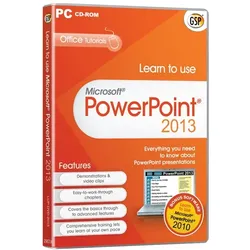
Learn to use Microsoft PowerPoint 2013, EnglishInteractive demonstrations & video clips Easy-to-work-through chapters Covers the basics through to advanced features Comprehensive training lets you learn at your own pac This comprehensive training program, couldn’t be easier to use. On-screen video demonstrations take you step-by-step through all the key areas, each with clear and concise instructions. Simply pick the topic you want to study and sit back and watch as an expert shows you exactly how it’s done. Then actually ‘do it’ in your own copy of PowerPoint 2013. Features Getting a good start First use of the Ribbon Keyboard shortcuts Working with worksheets Data entry / custom Lists Numeral data series & dates Illustrating and graph processing Inserting a picture Creating a char t File management Creating a new workbook Adding / Deleting worksheets Formatting a worksheet Formatting cells Centering across more columns Selections and movements Setting up a data entry range Extended copy and paste Displaying and page set-up Protecting a file / worksheet Customised displays / freezing panes Plus much more . . . Whether you’re a complete beginner, or need to refresh your computer skills, this program will have you up and running with PowerPoint 2013 in no time at all. 4 Easy Steps Step 1 – Choose your topic The program is divided into chapters, which are then broken down into easy-to-master sections which you can study in any order. Simply choose the topic you want to learn more about. Step 2 – Study the basics Read through a short description of the key points to help you Follow the on-screen demonstrations. Step 3 – Watch how the experts do it Sit back and watch as the program shows you what to do. The tutor’s voice talks you through each step as the screen video plays. You can watch it as many times as you want to make sure you’ve remembered everything. Step 4 – Do It! Now it;s time to actually do it in your own copy of PowerPoint 2013. Follow the Instructions in the pop-up window while you work through the task yourself. System Requirements Version 2013 Platform Windows XP, Windows Vista 32-bit, Windows 7, Windows 8 32-bit, Windows 8 64-bit, Windows 8 Processor: 500 megahertz (MHz) processor or higher Purchase Back-up DVD for only: 256 megabyte (MB) RAM or higher. Hard disk: 1.5 GB: a portion of the disk space will be freed after installation if the original download package is removed from the hard drive. Drive: CD-ROM or DVD drive Display: 1024x768 or higher resolution monitor14,95 €*Versand: 0,00 €Sichere Weiterleitung zum Anbieter
-
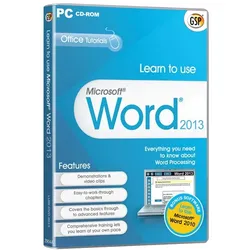
Learn to use Microsoft Word 2013, EnglishInteractive demonstrations & video clips Easy-to-work-through chapters Covers the basics through to advanced features Comprehensive training lets you learn at your own pace This comprehensive training program, couldn’t be easier to use. On-screen video demonstrations take you step-by-step through all the key areas, each with clear and concise instructions. Simply pick the topic you want to study and sit back and watch as an expert shows you exactly how it’s done. Then actually ‘do it’ in your own copy of Word 2013. Whether you’re a complete beginner, or need to refresh your computer skills, this program will have you up and running with Word 2013 in no time at all. Features Using Word for the first time First use of the Ribbon Creating, opening & saving documents Time Saving Tips Headers and footers The Quick Access Toolbar Frequently Asked Questions Symbols and special characters Mail merging Good Habits Ribbon / Keyboard shortcuts The Click and Type feature Tables Creating and formatting a table Selections in a table Workgroups and Protection Document encryption / Digital signature Track changes Formatting a document Margins, format and orientation Tabs, bullets and numbering Pictures Inserting a picture in a document Adjusting picture characteristics Plus much more . . . 4 Easy Steps Step 1 – Choose your topic The program is divided into chapters, which are then broken down into easy-to-master sections which you can study in any order. Simply choose the topic you want to learn more about. Step 2 – Study the basics Read through a short description of the key points to help you Follow the on-screen demonstrations. Step 3 – Watch how the experts do it Sit back and watch as the program shows you what to do. The tutor’s voice talks you through each step as the screen video plays. You can watch it as many times as you want to make sure you’ve remembered everything. Step 4 – Do It! Now it;s time to actually do it in your own copy of Word 2013 Follow the Instructions in the pop-up window while you work through the task yourself. System Requirements Processor: 500 megahertz (MHz) processor or higher Purchase Back-up DVD for only: 256 megabyte (MB) RAM or higher. Hard disk: 1.5 GB: a portion of the disk space will be freed after installation if the original download package is removed from the hard drive. Drive: CD-ROM or DVD drive Display: 1024x768 or higher resolution monitor Version 2013 Platform Windows XP, Windows Vista 32-bit, Windows 7, Windows 8 32-bit, Windows 8 64-bit, Windows 814,95 €*Versand: 0,00 €Sichere Weiterleitung zum Anbieter
-
Was bedeutet "un kilomètre à pied ça use ça use"?
Der Satz "un kilomètre à pied ça use ça use" ist ein französischer Spruch, der bedeutet, dass das Gehen zu Fuß auf Dauer anstrengend ist. Es ist eine humorvolle Art zu sagen, dass das Laufen zu Fuß Energie und Ausdauer erfordert. **
-
Hat Kaffee oder schwarzer Tee mehr Koffein?
Hat Kaffee oder schwarzer Tee mehr Koffein? Diese Frage hängt von verschiedenen Faktoren ab, wie der Art des Kaffees oder Tees und der Zubereitungsmethode. Im Allgemeinen enthält Kaffee mehr Koffein als schwarzer Tee. Eine Tasse Kaffee kann zwischen 80-120 mg Koffein enthalten, während eine Tasse schwarzer Tee etwa 40-70 mg Koffein enthält. Es ist wichtig zu beachten, dass diese Werte variieren können und auch von der individuellen Empfindlichkeit gegenüber Koffein abhängen. **
-
Was hat mehr Koffein Kaffee oder Tee?
Was hat mehr Koffein Kaffee oder Tee? Die Menge an Koffein in Kaffee ist in der Regel höher als in Tee. Ein durchschnittlicher Kaffee enthält etwa 95 mg Koffein, während eine Tasse Tee nur etwa 30-50 mg Koffein enthält. Allerdings gibt es auch koffeinreichere Teesorten wie Schwarztee, der bis zu 70 mg Koffein pro Tasse enthalten kann. Letztendlich hängt es also von der Art des Kaffees oder Tees ab, um festzustellen, welches mehr Koffein enthält. **
-
Wie kann man eine perfekte Tasse Kaffee aufbrühen?
Um eine perfekte Tasse Kaffee zuzubereiten, sollte man frisch gemahlene Kaffeebohnen verwenden und das Verhältnis von Kaffee zu Wasser beachten. Der Kaffee sollte mit heißem, aber nicht kochendem Wasser aufgebrüht werden und je nach Vorliebe kann die Brühzeit angepasst werden. Zum Schluss den Kaffee genießen und eventuell mit Milch oder Zucker verfeinern. **
* Alle Preise verstehen sich inklusive der gesetzlichen Mehrwertsteuer und ggf. zuzüglich Versandkosten. Die Angebotsinformationen basieren auf den Angaben des jeweiligen Shops und werden über automatisierte Prozesse aktualisiert. Eine Aktualisierung in Echtzeit findet nicht statt, so dass es im Einzelfall zu Abweichungen kommen kann. ** Hinweis: Teile dieses Inhalts wurden von KI erstellt.